Manufacturing operations
Practical understanding of products, production processes, quality controls and how factories operate.

About LotusTSE
LotusTSE supports manufacturers, importers and component suppliers with automotive testing, certification, Conformity of Production (COP) and regulatory work in Vietnam — from product configuration and technical evidence through documentation and import-related procedures.
Three foundations of capability
Practical understanding of products, production processes, quality controls and how factories operate.
Experience with type certification, COP, testing, technical evidence and the logic of Vietnam's regulatory system.
Turning regulatory requirements into defined work scopes, evidence plans, testing, documentation and manageable project actions.
Manufacturing → Regulatory / certification → Implementation support
Leadership & technical expertise
The two profiles complement each other across manufacturing quality, COP, testing, certification and regulatory implementation.
Chairman
Nearly 30 years of experience in manufacturing, quality management, certification inspection and motor-vehicle regulations.
Director
More than 25 years of experience in motor-vehicle inspection, testing, certification and regulatory work.
Two core operating functions
A project works only when technical requirements, evidence, samples, procedures and the physical shipment are managed as one implementation chain.
Engineering
Engineering defines the applicable requirements, evidence and technical implementation route.
Logistics
Logistics translates regulatory requirements into the practical workflow of each imported consignment.
Engineering × Logistics
The two functions work on the same project rather than as separate services.
Example: an imported component consignment
Defines applicability, reviews approvals/test evidence, selects representative samples and identifies the required technical dossier.
Prepares the consignment dossier, implements inspection/certification procedures, coordinates samples, tracks results and handles customs-clearance steps.
International COP experience
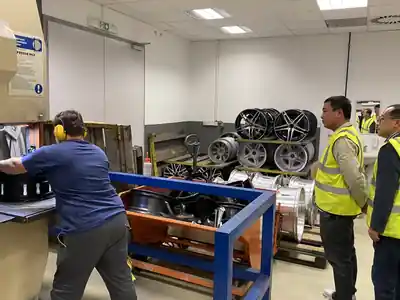
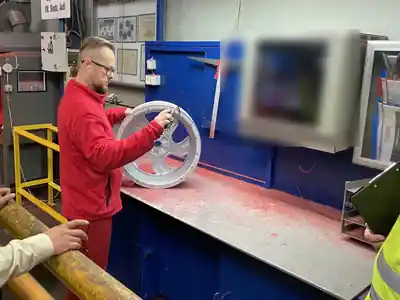
Direct experience at manufacturing sites enables the LotusTSE team to approach COP through quality systems, technical evidence and actual production conditions — not simply as a one-time audit.
Austria, Belgium, Czechia, France, Germany, Hungary, Italy, Luxembourg, Poland, Romania, Slovakia, Spain, Sweden
Cambodia, China, India, Indonesia, Japan, South Korea, Malaysia, Pakistan, Philippines, Thailand, Vietnam
Russia, Türkiye
Brazil, Mexico, United States
Morocco
Experience figures are compiled from the professional records of the key team. Customer and manufacturing-site names are not published without confirmation that disclosure is permitted.
Field evidence
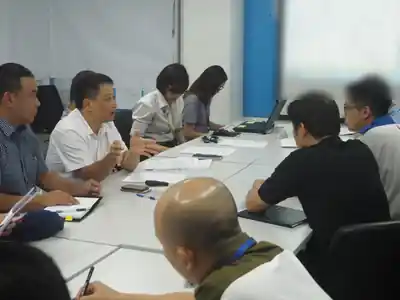
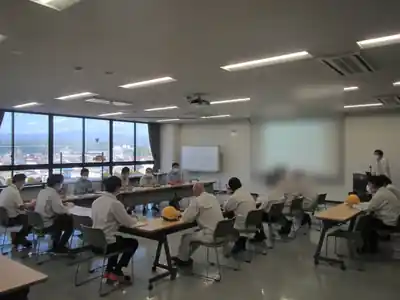
Images are used only as evidence of real field experience. Identifying information and sensitive technical content are intentionally limited in public materials.
Project implementation
Clarify the product, configuration, manufacturing site and objective: import, local production, testing, certification or COP.
Review QCVN/UNECE requirements, test reports, approvals, drawings, specifications, markings and existing evidence.
Find inconsistencies in type/family definition, evidence scope, representative samples, markings, documentation or COP controls.
Coordinate engineering, testing, documentation, logistics, certification and shipment-related work.
A project focal point maintains visibility of status, pending information, risks, required actions and next steps.
Working principles
Every conclusion starts with the actual configuration, type/family and physical product.
Test reports, approvals, markings and documents must trace back to the product they are intended to support.
Technical requirements, documentation, samples, procedures and shipments are managed as one workflow.
LotusTSE is accountable for the quality of its own work; decisions by authorities or authorized organizations remain outside LotusTSE's control.
Start with the real project
LotusTSE can conduct an initial review to identify the main requirements, gaps and an appropriate scope of work.